Final Fantasy IV: Play-through and Takeaways

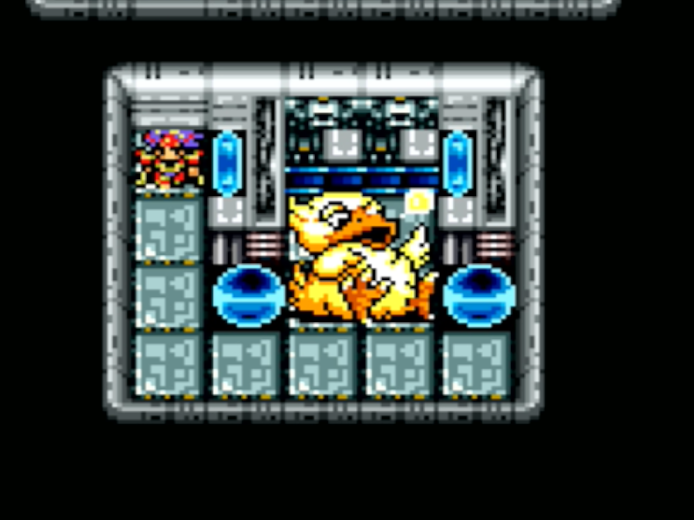
It took a long time to get here, but we made it.
Originally I started this game in early 2025 and progressed about 75% of the way through it before falling off of it due to springtime and home improvement projects. As I mentioned in my previous post, at the time I wasn't intent on keeping up with this blog: it had been so long since I attempted to start this project and I felt it was more important to finally get through the games than work on a blog no one will read. So, I didn't keep many (read: any) notes. But my spouse and a couple friends expressed some disappointment in that I wasn't planning to write about my experiences, so here we are. I picked the game back up in early February of this year (2026) and did keep at least a few notes as I wrapped it up. So I'm going to do my best to piece together my impressions from FFIV (and in a later post, revisit my feelings about the rest of FFI.)
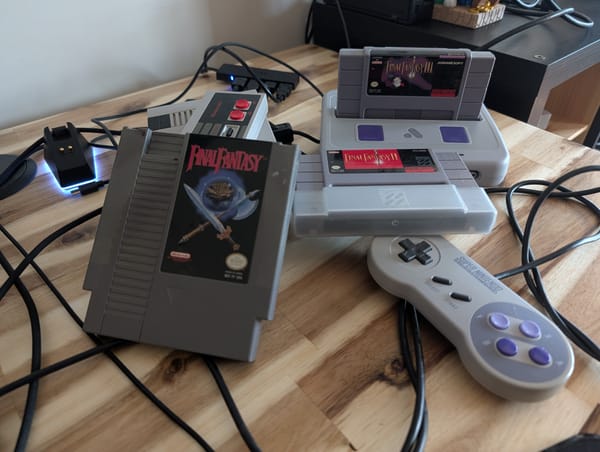
First off, I'm not really sure whether FFI or FFIV was more of a struggle for me: realistically I know it was FFI simply because it is more unforgiving and has few QoL features... but it's honestly a little close. FFIV was definitely refreshing after playing the technically-limited NES game, but it definitely still had some rough edges. I was chatting with some folks over on the Retronauts' Discord Server and someone brought up that it felt like an NES game with improved graphics and sound, and I couldn't agree with them more. Don't get me wrong, FFIV still had massive improvements over the first game, such as a character-driven plot, in-game cutscenes, and the ability to buy 10 items at once instead of having to smash the A button for 5 minutes while you stock up on 99 HEALs. As much as I can appreciate those updates, this game still felt pretty dated, but I'm really trying to not hold that against it.
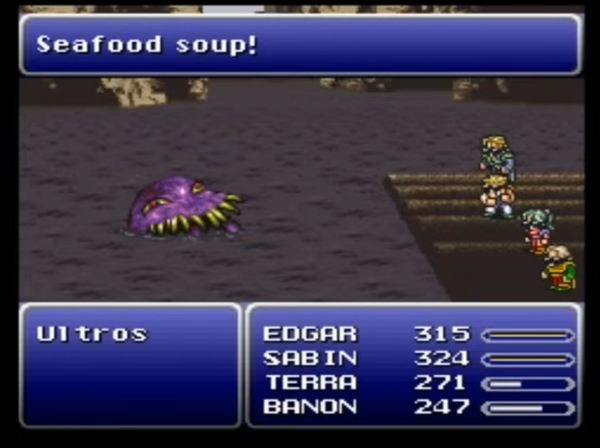
Game-play-wise, I'd have to say the biggest improvement over FFI is simply the fact that when an enemy is defeated, if your party member is queued up to attack the now-defeated enemy, that party member will now redirect their attack to a different enemy instead of attacking thin air and wasting their turn. The new-at-the-time Active Time Battle system lends a lot more urgency to the game; I both loved and hated this (because it's very hard find a moment to eat your snackies during a battle in this game.)
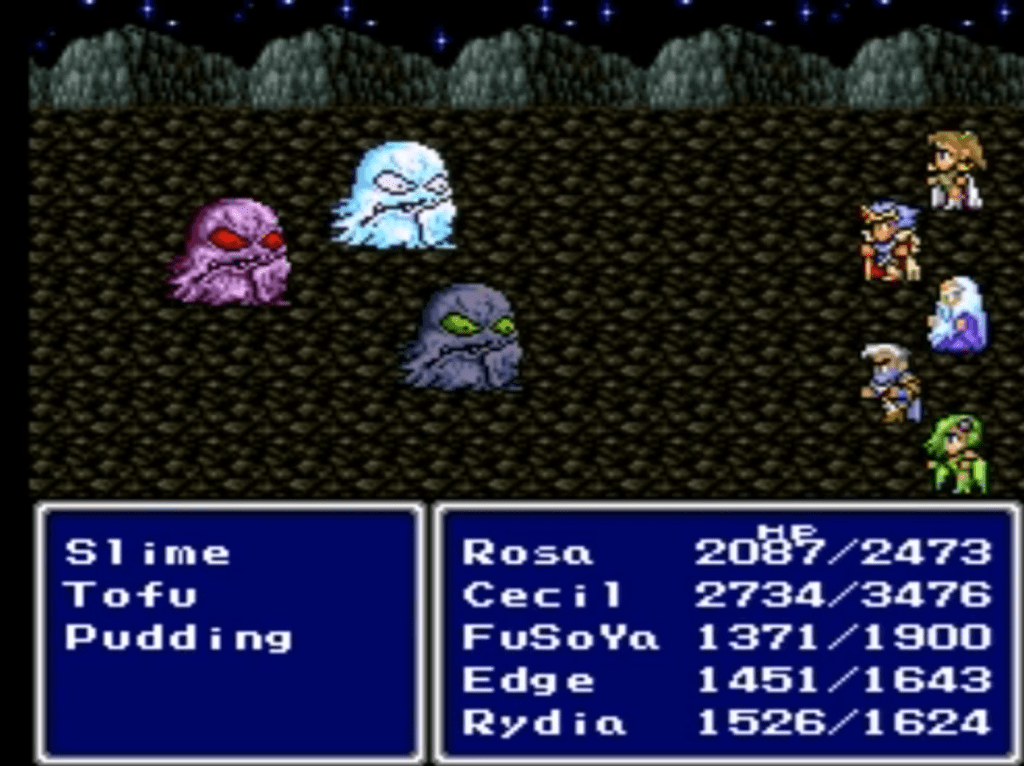
The two biggest hurdles I experienced in this game were dealing with random encounters, and the fact I couldn't really see what equipment, spells, or items did in the UI without needing to use them first. I think the fact that my first experiences with JRPGs were the Pokémon games and some Mario RPGs has been working against me in my Final Fantasy journey: in Pokémon you can use repels to put random encounters to rest for awhile, and in both Super Mario RPG and Paper Mario you can (usually) dodge baddies on the field when you're sick of fighting them. Both of those systems allow me to avoid battle while I'm simply trying to figure out a dungeon; being constantly interrupted and losing my context while trying to navigate to the next area is something I find extremely jarring and difficult to push through. Grinding itself is something I do not mind-- after all, I AM a pokémon player-- but I prefer it be the main thing I'm doing and to be able to zone out into some weird meditative state while I watch number-go-up.
The plot (which is actually pretty compelling when you zoom out-- more on that later) just felt like it kept happening really quickly and never stopped. I felt positively winded by how quickly things were coming at me! I am aware it is absolutely insane of me to critique a 35-year-old game on pacing, especially when it seems to have been one of the first games to have a majorly character-driven plot, but it really break my immersion in several places.
One example of this is from near the start of the game when Cecil and Kane enter the Village of Mist, and the package the King sent with them suddenly explodes in fireballs and sets the village on fire. They discover the child Rydia and her mother, who has died because Cecil and Kane had defeated her Mist Dragon. Kain says they need to also kill Rydia. Cecil refuses to do this, and Kane exclaims "You dare to renounce your loyalty to His Majesty?" Cecil is like "No, I don't wanna do bad stuff anymore" and Kain is like "yeah actually you're right, same here, let's go recruit other countries to help us."
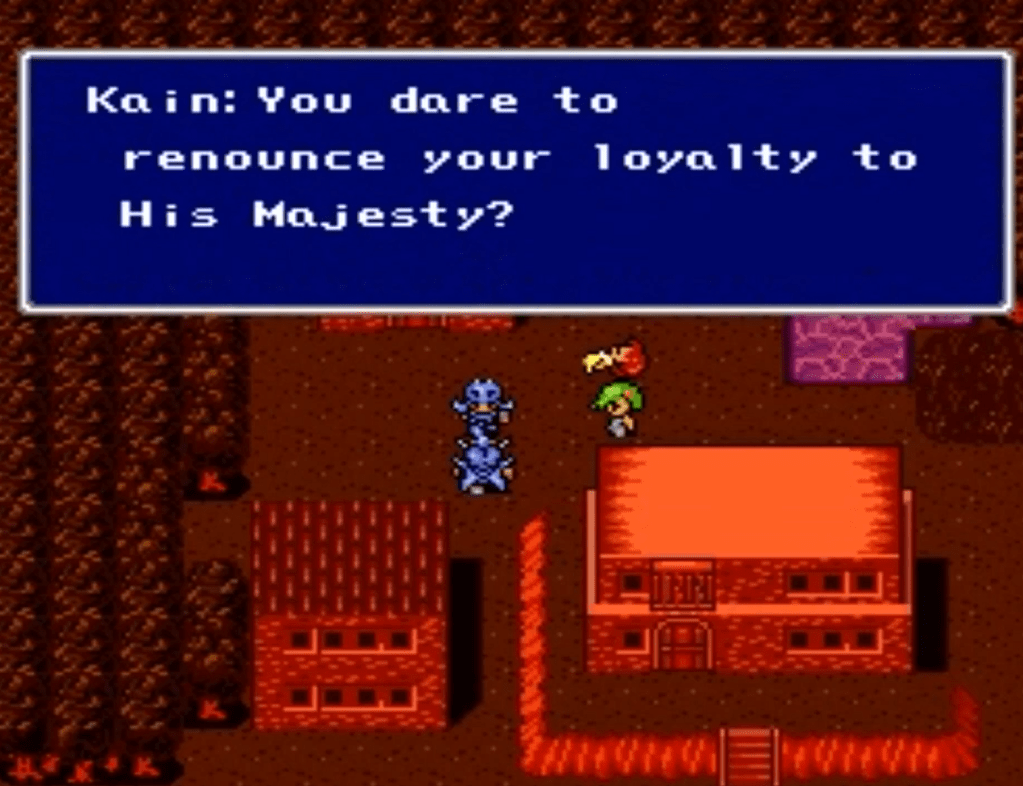
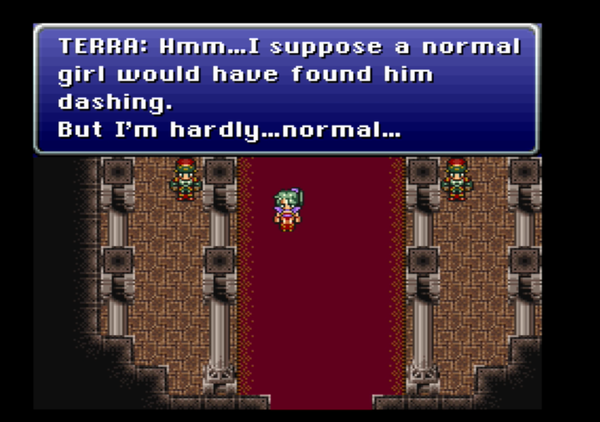
After re-watching this scene, I think the intent here is that Kane has actually already decided that he is no longer going to serve a corrupted kingdom and he is trying to get Cecil to admit that he also wants to defect. However during that moment in my play-though, I was getting whiplash from what felt like a sudden 180 on Kain's part. I am confident a major part of the issue is that (likely due to space constraints) lines of dialog from multiple characters at once would be crammed into the same dialog box. Additionally, all of the dialog appears at once, without any pauses between words or entire lines. For me, this affected the pacing; it felt like character moments weren't given enough "space" to hit the way I imagine they were intended to hit. Again, I have no doubt most of this was due to the combination of technical limitations and the fact they were some of the first people to attempt this kind of narrative storytelling in a video game.
Additionally, localizing video games between Japan and the English-speaking world was also a new thing! After reading the Zelda book from Legends of Localization, I was familiar with the fact that in early games it was often native Japanese speakers who were taking on most of the English translation and localization work... and that this often lead to some translations that felt a little "off" for native English speakers. I had an inkling that perhaps this was the case for FFIV. Doing some research for this post I discovered there is a lot of information about FFIV on Legends of Localization's website; and it seems like at least the majority of FFIV's translation was done on the Japanese side, which definitely helps account for the awkwardness I felt in my play-through. (Side note, it turns out that Legends of Localization has a huge translation comparison project on their website that goes into great detail, so I highly recommend checking that out if you're interested.)
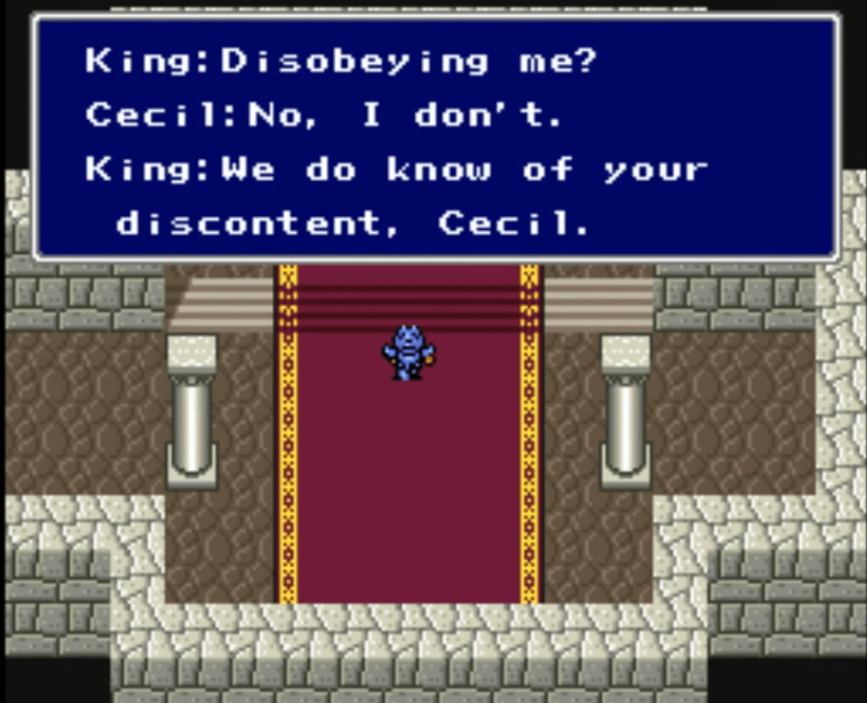
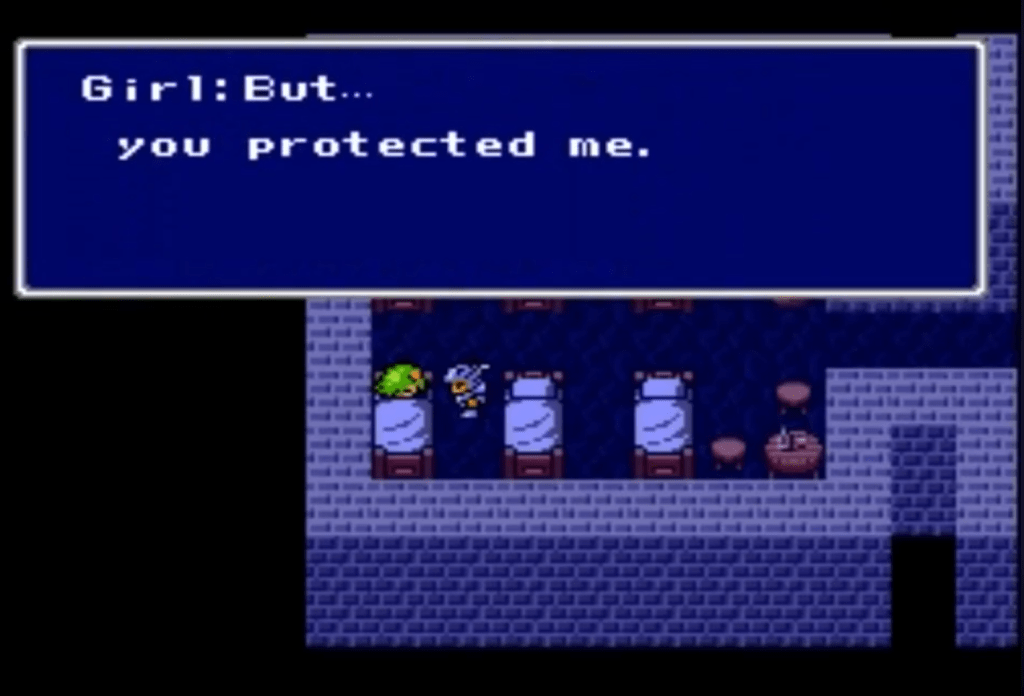
My pacing complaints aside, after I was done with the game and I took a moment to "zoom out" and look at the plot as a whole, I fall in love a little bit. Cecil's redemption arc begins from the very start, and he is brutally forced into even more heinous deeds when he is tricked into destroying the village of summoners when sent there by the king (and discovers he accidentally killed a child's mother). His first concrete action against this horrible empire is by saving Rydia and protecting her from the king's soldiers, and this is definitely the part of the game where I felt myself become engaged in its' story.
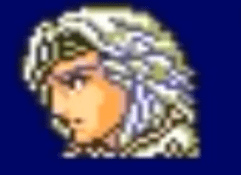
My favorite section of the plot is how they set up Cecil's actual transition from Dark Knight to Paladin. Cecil has been separated from the party he has been building up and grown to trust. Rosa has been kidnapped, Kain has betrayed him, other party members have died, and they have failed at protecting the remaining crystals from the villain, Golbez. He is broken, alone, and has ended up where the game began: the town of Mysidia, where he harmed innocent people and took the Crystal of Water by force. Here he is at his most beaten and vulnerable and yet the victims of his previous crime choose to give him grace and present an opportunity to redeem himself. His venture through the Mountain of Ordeals is perhaps a little on the nose, but I love how they underscored his transformation with an entire class change (and a graphical change-- we can see his face now!)
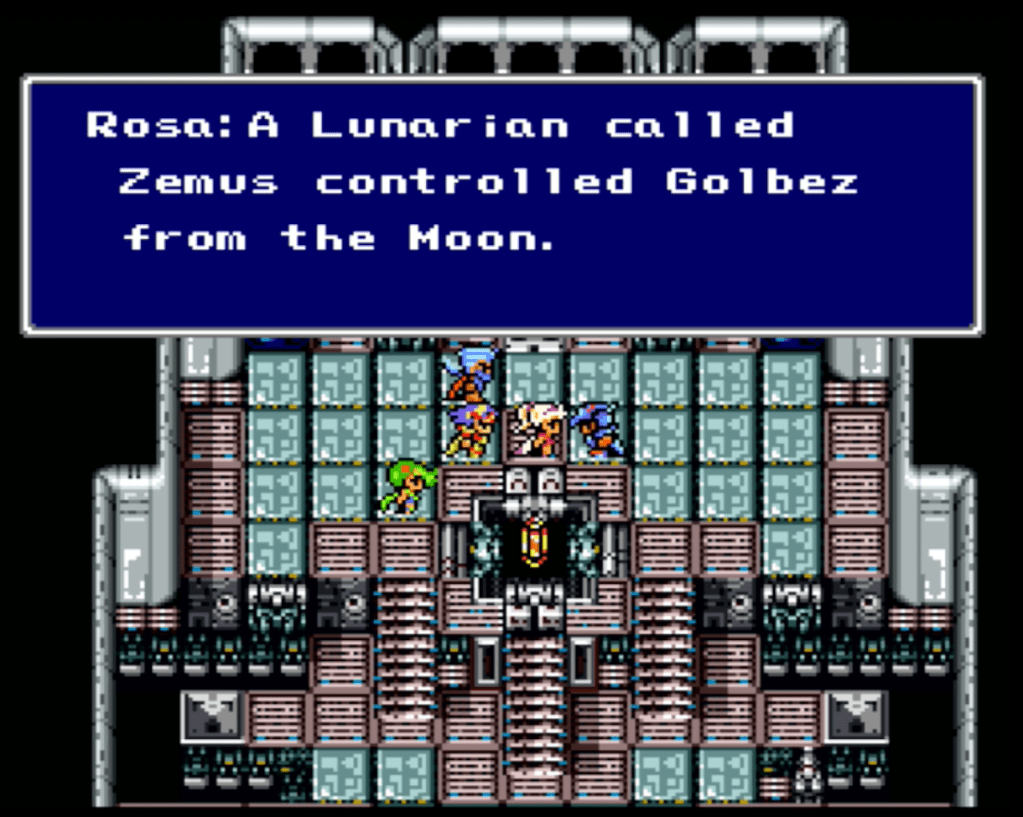
All this said: there are still a few plot points that feel a little bit like they went overboard on the drama. It turns out Cecil is descended from moon people (the Lunarians), his Real Dad talked to him as a shining ray of light when he turned into a Paladin, and also turns out Golbez is being controlled by an even bigger bad and, by-the-way, is actually Cecil's brother. Although, this last part did result in my favorite line of dialog in the game:
Here are some other assorted notes from my time with FFIV:
- I didn't really care much for Edge
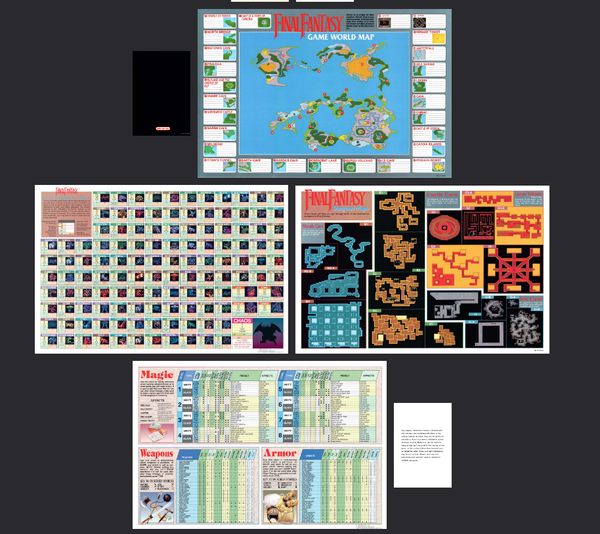
- It was absolutely maddening to find a decent guide for the SNES version of this; there are many different versions and translations, and all I wanted was to understand what the equipment and spells did
- I loved the dwarves and especially the music for their castle
- Wild that we end up with not 1, not 2, but 3 airships! It was neat that you had to pick up the hovercraft with one of them in order to explore more areas long after you thought your hovercrafting days were over.
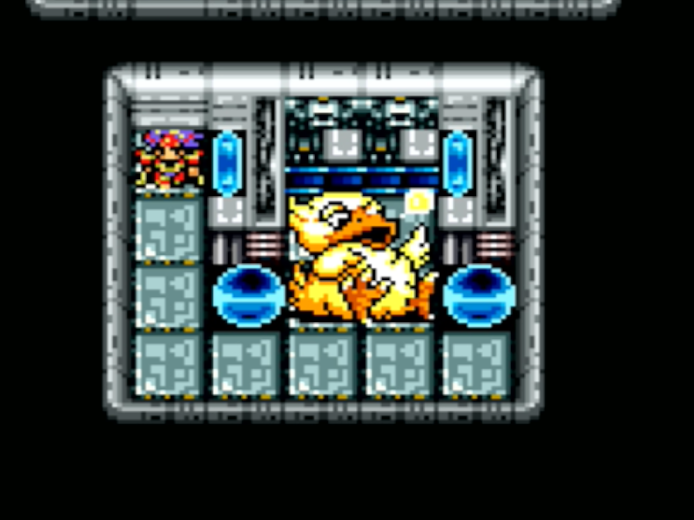
- Man I loved the big fat Chocobo so much. I especially loved that he got to ride on the space ship.
I will probably revisit different aspects of FFIV soon, but that the covers the major points of my time with the game. I enjoyed it, and I'm excited to finally start to start understanding some of the many FF references that abound in gaming culture.
And now I have started FFVI! I am looking forward to reporting on this game soon. (And don't worry, I'm actually keeping notes this time.)
Sources:
- NintendoComplete on Youtube, for getting some extra post-run screenshots: https://www.youtube.com/watch?v=pdEd3Z5TQYY
- Legends of Localization: FFIV: https://legendsoflocalization.com/comparisons/final-fantasy-iv/